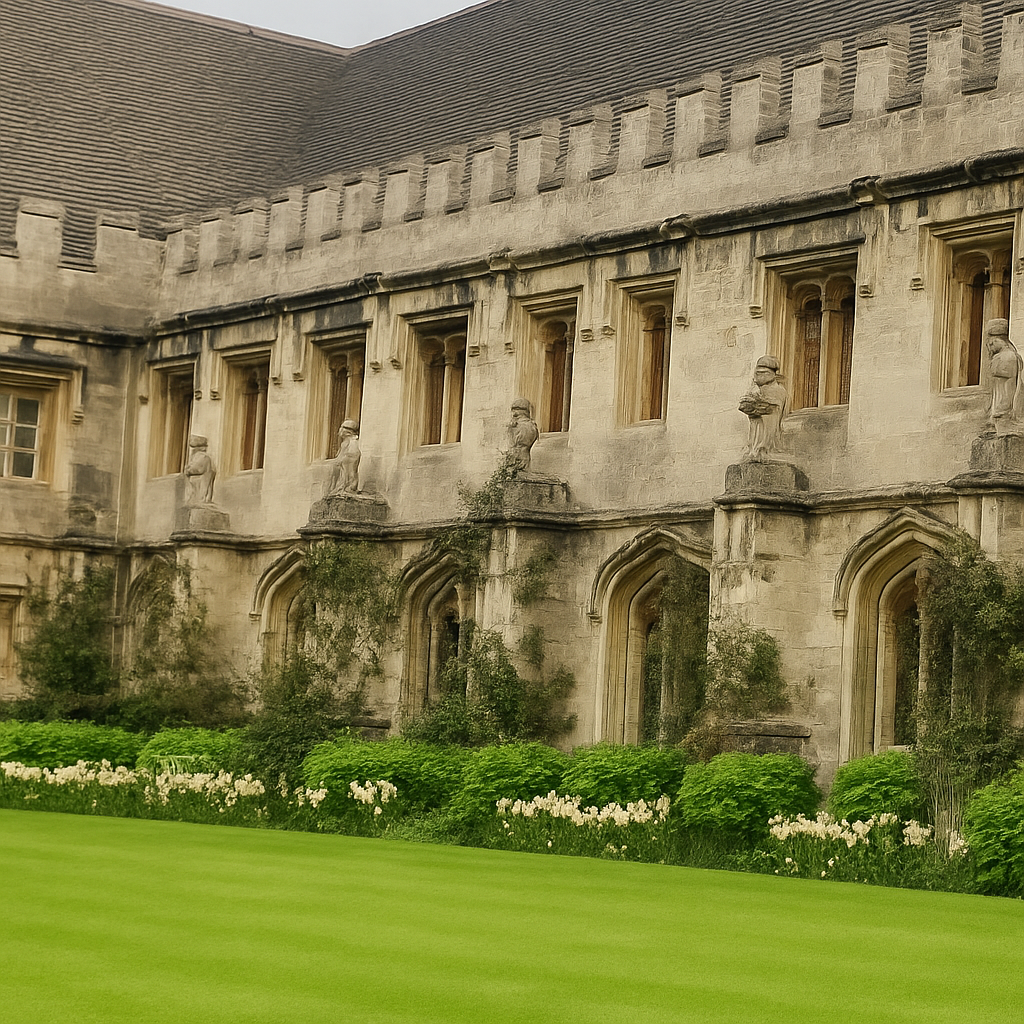


Magdalen College was founded in 1458 by William Waynflete, Bishop of Winchester and Lord Chancellor of England.
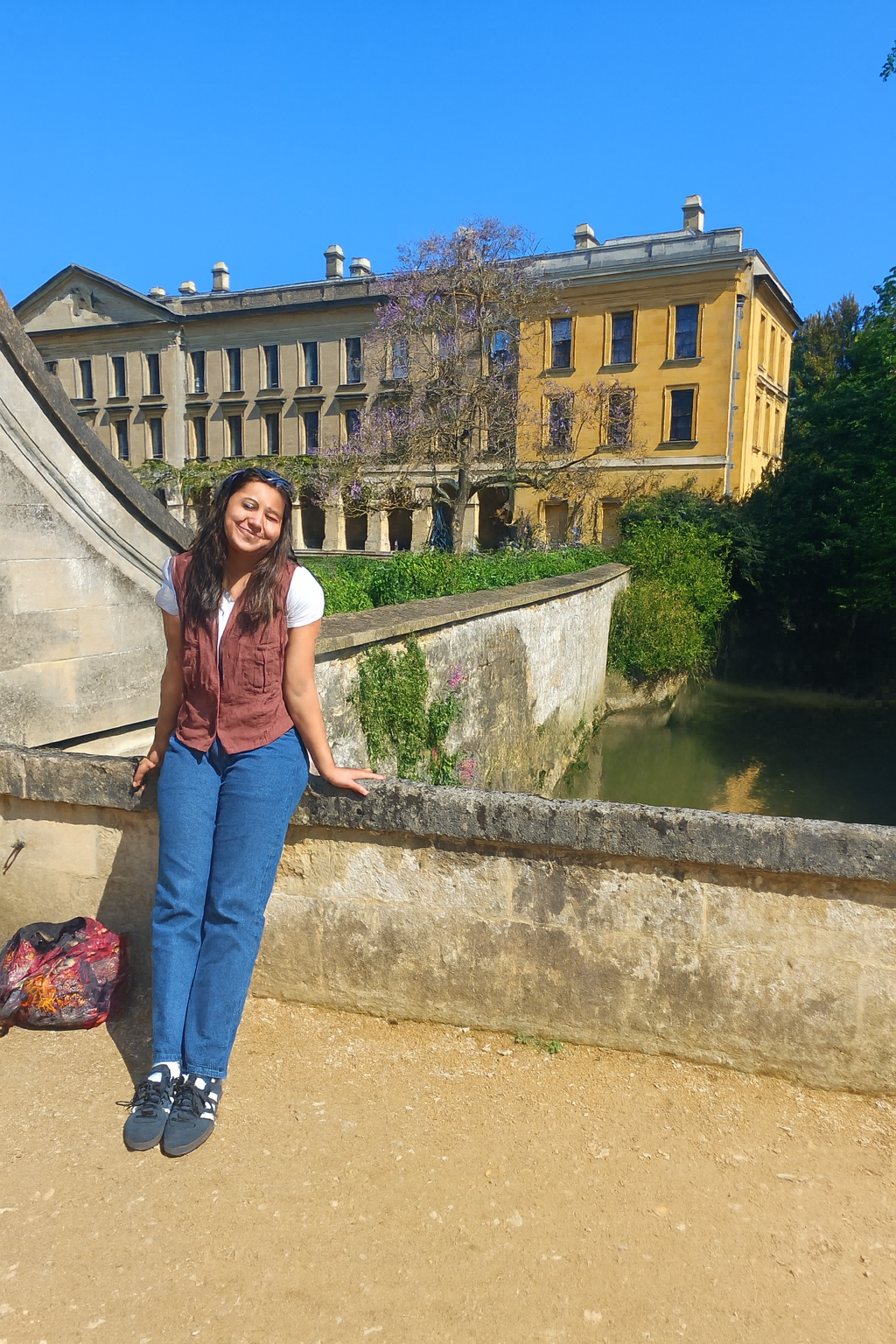
He intended to create a college “more fitting for a prince” than his own alma mater, New College and endowed Magdalen with a deer park, river walks and generous estates, giving it one of the loveliest settings in Oxford.
The dining hall’s oak panelling, installed in the 1540s, was salvaged from a grand monastery dissolved in the English Reformation.
Long before the college existed, the land around Magdalen Bridge was home to a Jewish community who lived, traded and practised medicine here until the expulsion of the jews 1290. Their graveyard is now a memorial rose garden next to the 17th century Botanical Gardens.
The site later became home to the 12th-century Hospital of St John the Baptist, a charitable and medical institution providing hospitality for travellers and care for the sick. In the 15th century its estates passed to Waynflete, and Magdalen inherited a deep association with both scholarship and healing, reflected by nine Nobel Prize–winning alumni.
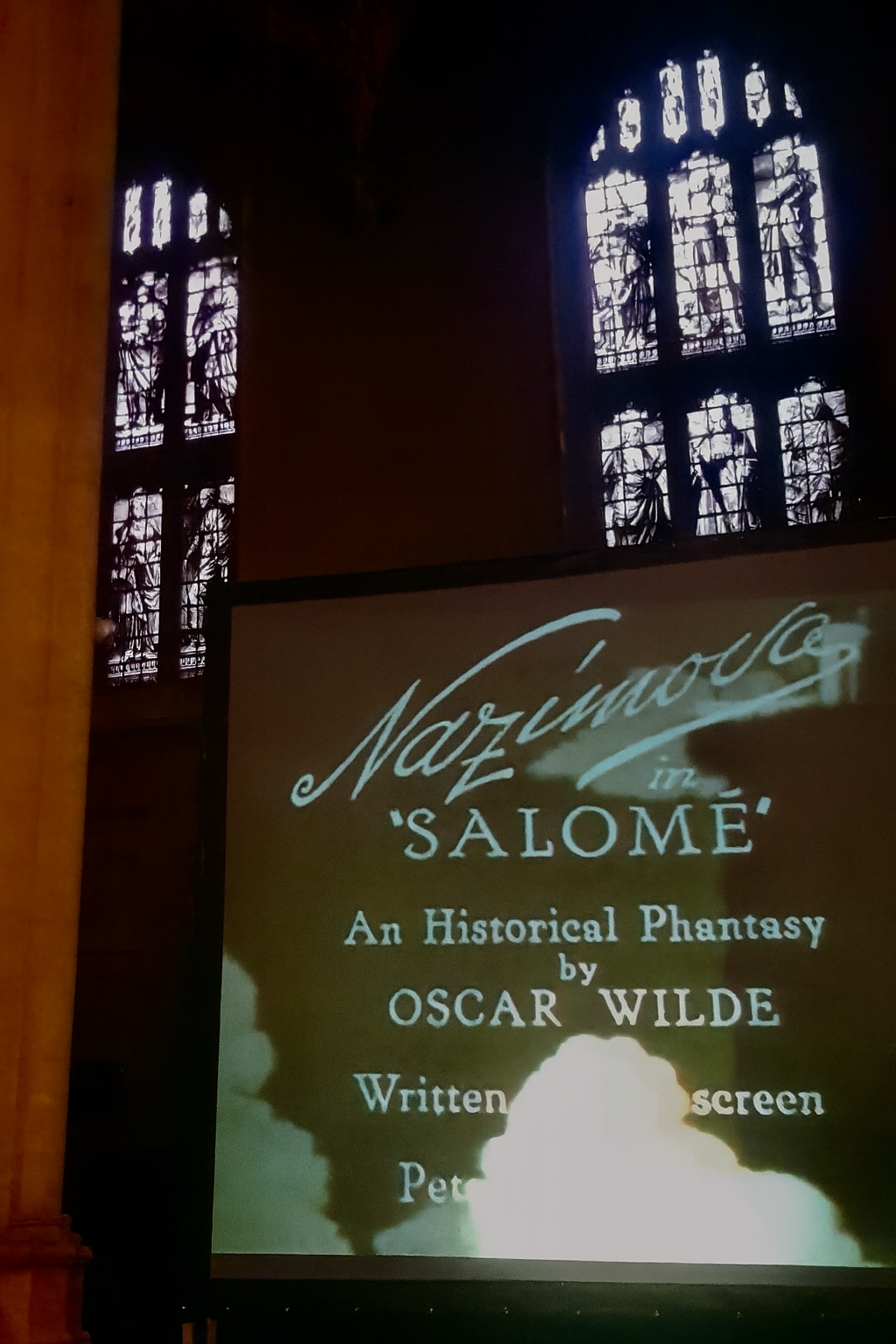
The Irish dramatist Oscar Wilde studied here from 1874 to 1878, and C. S. Lewis, the children’s novelist, theologian and literary scholar, was a Fellow from 1925 to 1954, writing much of his best-known work while walking the riverside path now called Addison’s Walk.
Visitors today can enjoy the gardens and quads, Addison’s Walk, the medieval kitchen, the oak-panelled hall, the Perpendicular Gothic chapel. Magdalen matches perfectly with the Literature, Science & Medicine, Jewish Oxford and any General Introduction to Oxford tours.